
ADAPTIVE RIDING
In the fall of 2025, I volunteered with Little Bit Therapeutic Riding Center to create artwork for their holiday card and fundraisers. The digital painting features adaptive riding student Jason and Little Bit staff. The horse, Malakai, is a Belgian draft/quarter horse standing at 16 hh tall.
Since 1976, Little Bit has enriched the lives of those with disabilities such as autism, multiple sclerosis, and Down syndrome, or recovery from injuries. Their two flagship programs—adaptive horseback riding and hippotherapy—provide many physical and mental benefits, including strengthening muscles and joints, enhancing hand/eye coordination, and improving balance. The unique bonds between riders, horses, peers, and staff promote confidence and independence, and improve communication skills.

Process
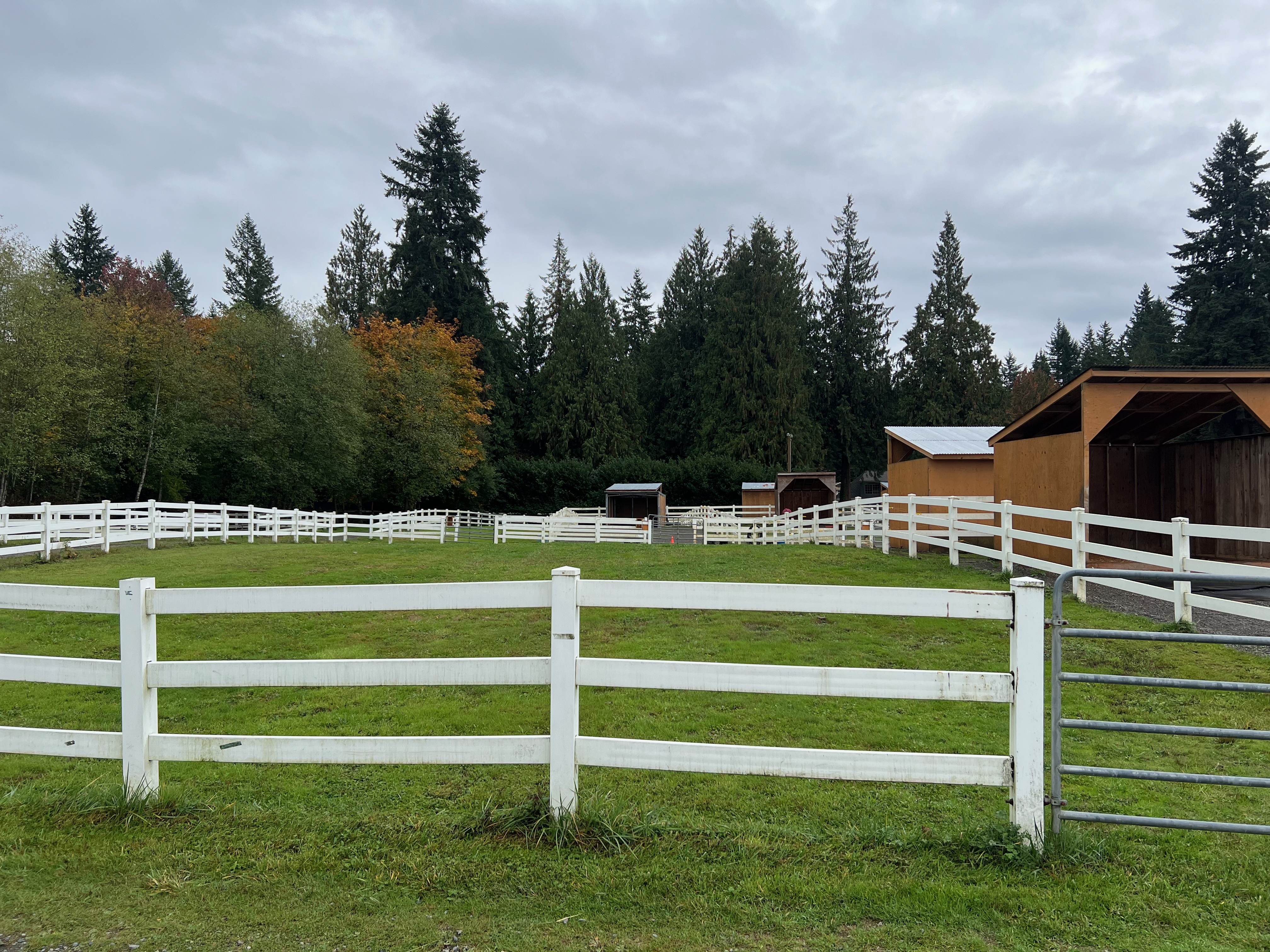
For this project, I walked the grounds with Little Bit staff and reviewed videos of adaptive riders. It was inspiring to see how they are helping kids (and adults) of all ages and abilities. I was most surprised to learn that horses have very different personalities, just like people!
Sharon Soldenwagner, Director of Development at Little Bit, had one primary request: that the art shows the partnership between the horse and human(s). “Sometimes it can be tempting to just show the horse,” she said. “While they are at the center of everything we do, the magic really happens when people and horses form relationships and work together.”
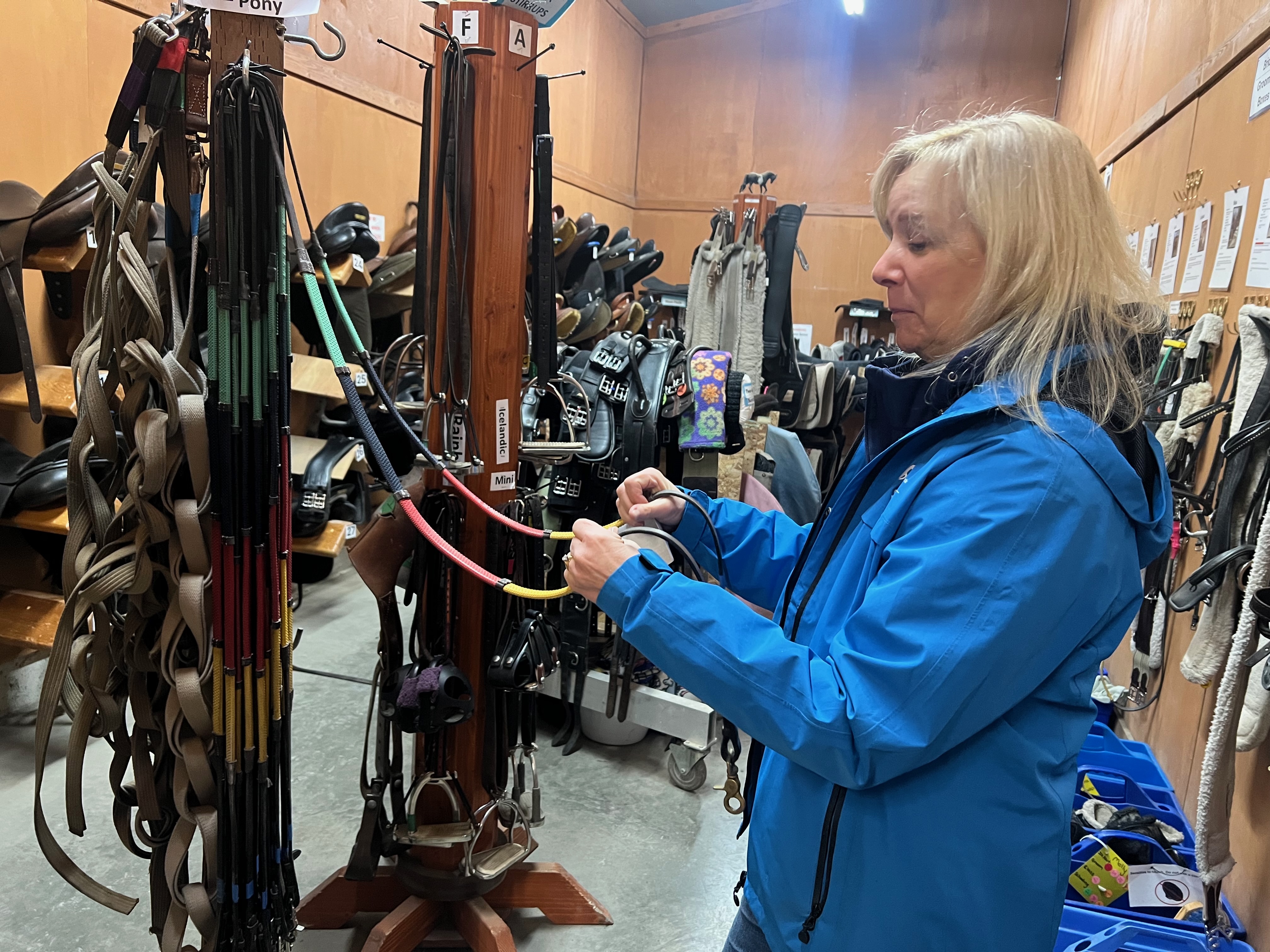
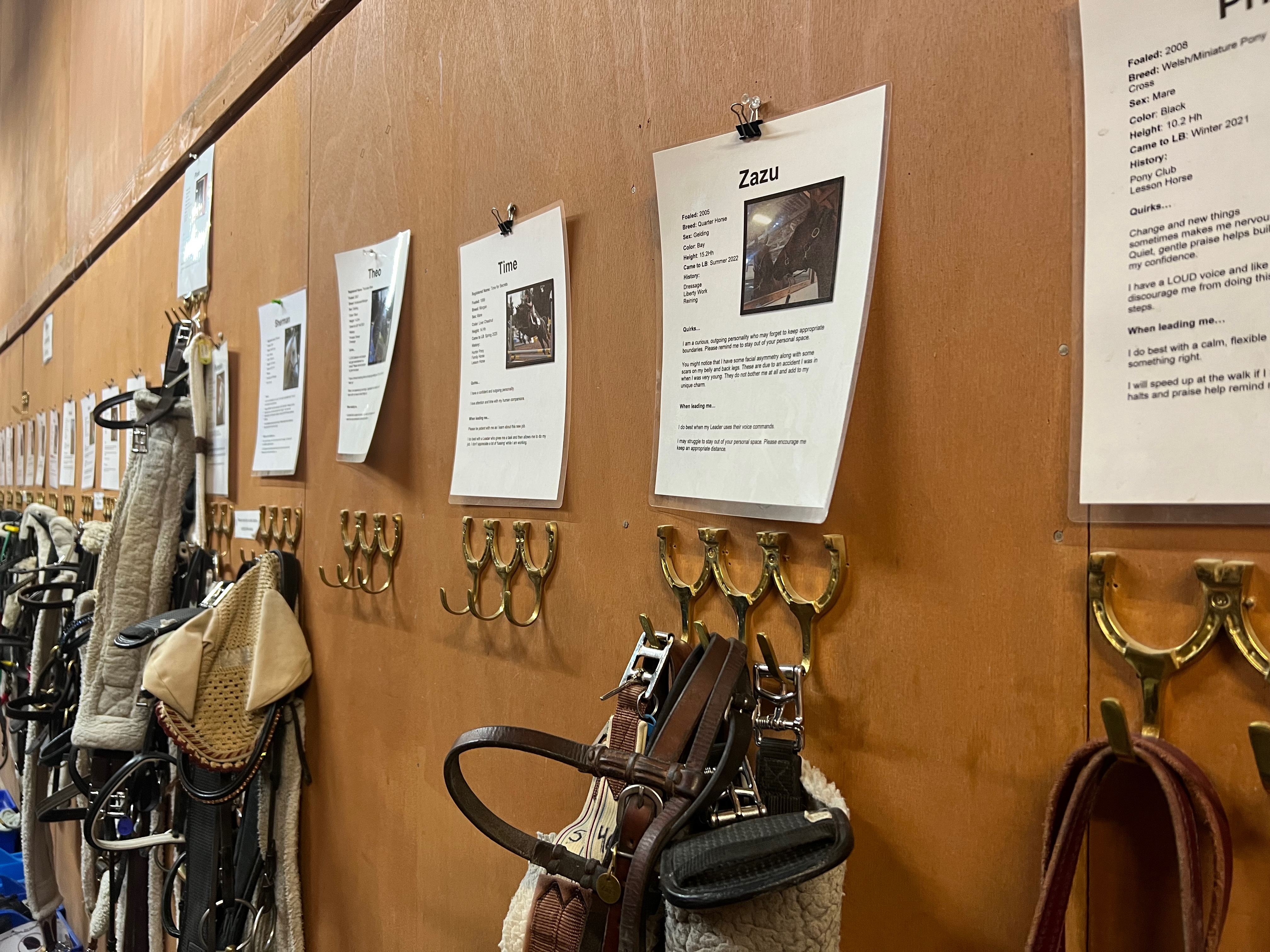
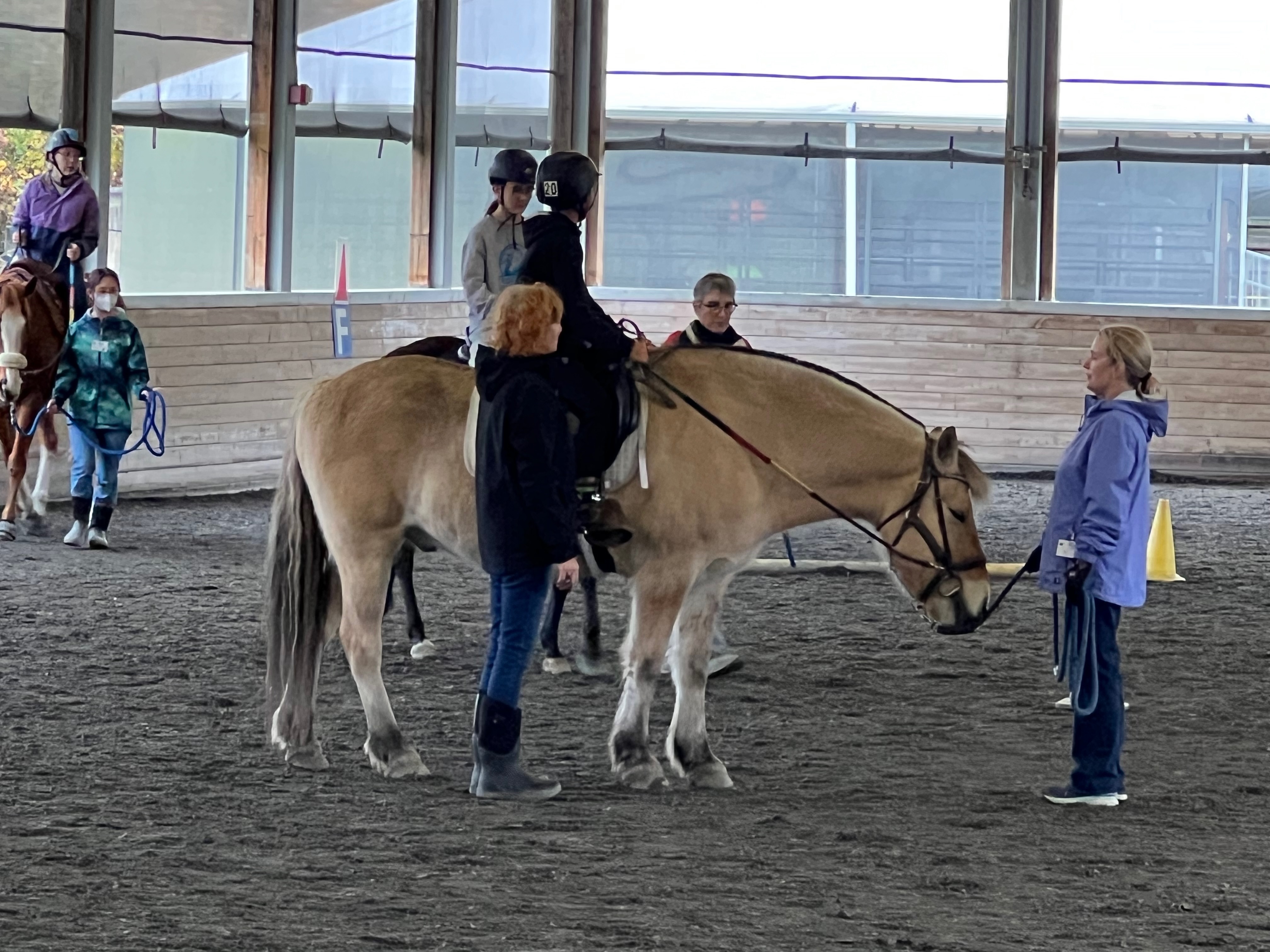
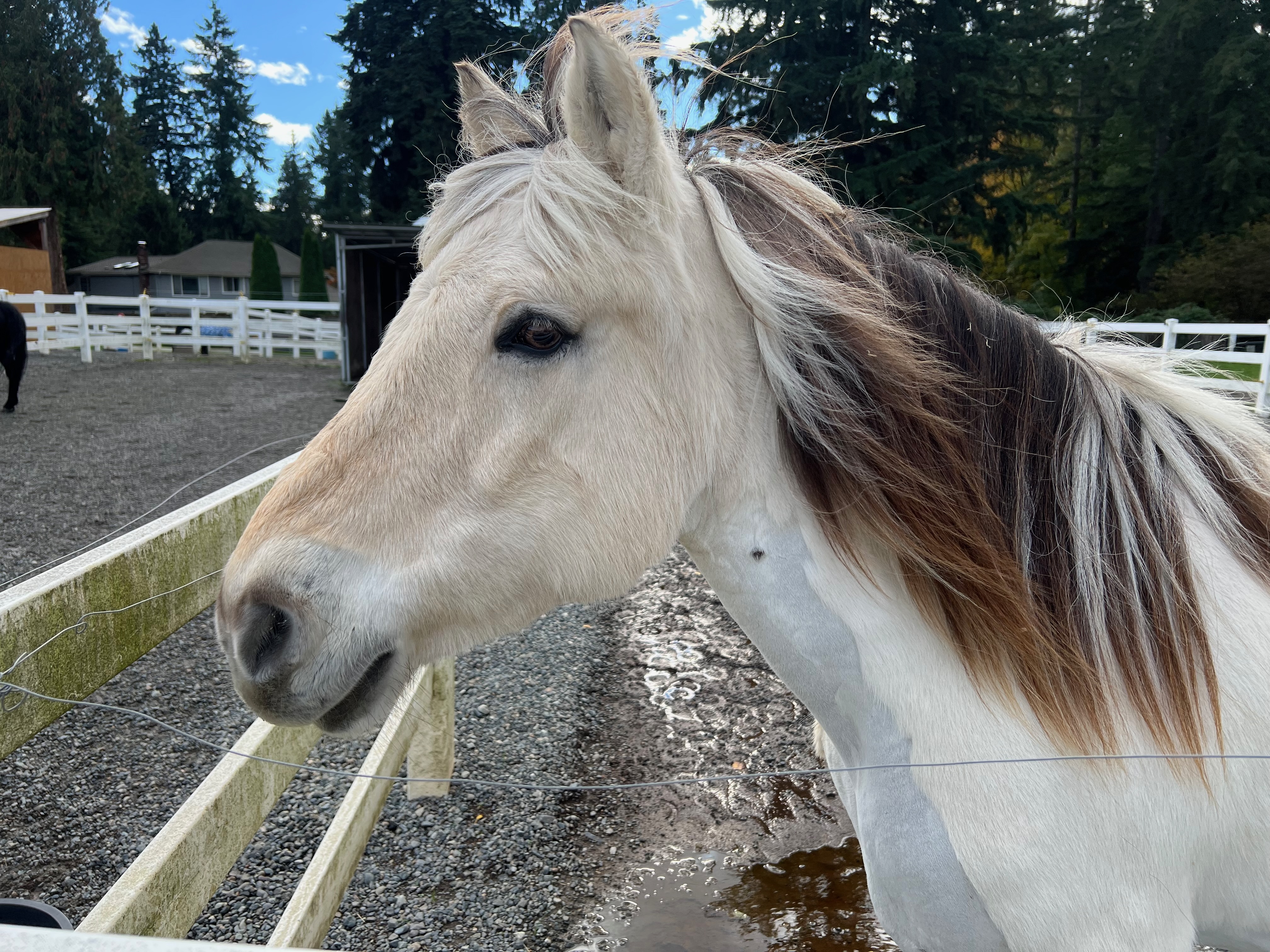

Understanding the underlying muscles and skeleton can be helpful when drawing horses—I like to check anatomy guides like An Atlas of Animal Anatomy for Artists, by W. Ellenberger and Francis Davis.
I rendered the final art in Procreate on the iPad with brushes that resemble pencil, pen, and watercolor. Color adjustments were made in Photoshop. Finally, I added some soft snowfall in the background to evoke a holiday feel, but not too much snow—Little Bit cancels riding activities if the ground is icy or slippery.


